
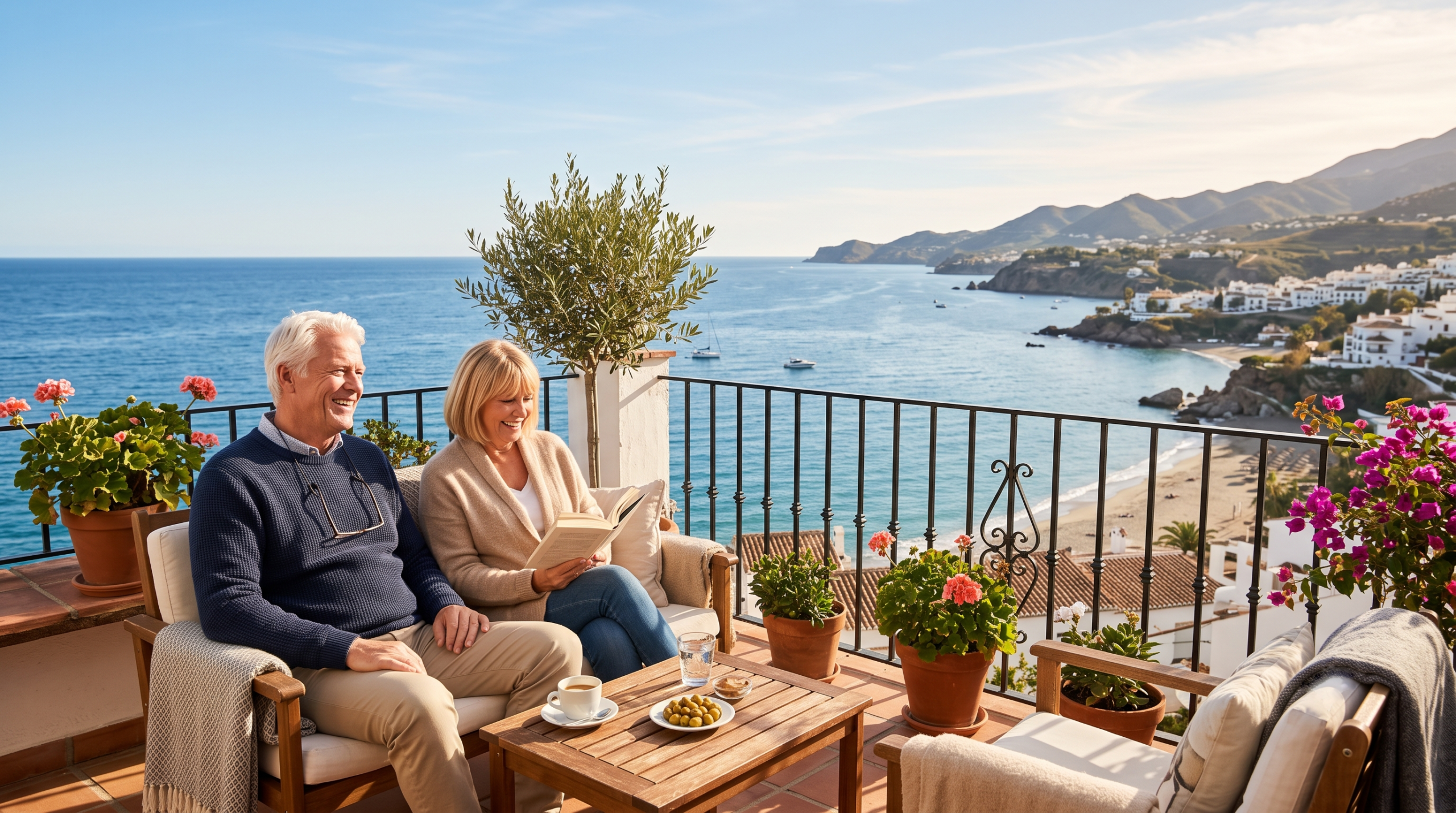
In November, when the sun sets in Helsinki shortly after three in the afternoon and light becomes scarce, in Fuengirola people still stroll in shorts along the promenade. This simple, physical difference explains much of a phenomenon that has been consolidating for more than half a century: every winter, tens of thousands of Finns, Swedes, Norwegians and Danes replace the darkness of the north with the sun of southern Spain.
This is not about tourism as usual. We’re talking about people who settle down for months, rent an apartment, shop at the neighborhood supermarket, go to the doctor, and build a routine. At Koti Rentals we’ve been working with this type of guest for years, and in this article we want to explain what really brings them here — and why they keep coming back year after year.
Escape from darkness, not just from the cold
The first impulse is easy to understand, but it is worth elaborating on it. The Nordic countries know how to live with the cold: they have the clothes, the houses, and the culture to do so. What is more difficult to cope with is the lack of light. In the middle of winter, many areas of Finland, Sweden, and Norway receive only a few hours of clear light per day, and in the far north the sun does not actually rise for weeks.
The Costa del Sol offers exactly the opposite. The region enjoys more than 320 days of sunshine a year and around 3,000 hours of sunlight, figures that place it among the sunniest destinations in Europe. Winter temperatures rarely drop below 10 °C, with daytime highs often around 17-18 °C and even approaching 20 °C on some January days. The Sierra de Mijas also acts as a natural barrier against the cold winds from the north, further softening the thermal sensation in the coastal area.
For those who come from the north, this means being able to go for a walk every day, eating on a terrace in December and maintaining an outdoor lifestyle during the months when that would be unthinkable in their country. The impact on mood and physical health is the reason our guests most often mention when asked why they return.
An already established community
Here is the factor that many underestimate. Moving temporarily to another country gives respect: the language, the procedures, the feeling of not knowing anyone. What makes Fuengirola an exceptional case is that that adaptation work is already done, and has been done for decades.
The history dates back to the seventies, when the town began to receive elite Finnish athletes who trained here during the winter. From there, word of mouth did the rest. Today, Fuengirola is home to the largest Finnish community outside of Finland: several thousand people registered and a much larger floating population, made up of those who come only for seasonal stays and never register. They are joined by significant Swedish, Danish and Norwegian communities as well.
The result is seen in neighborhoods like Los Pacos or Los Boliches: shops labeled in two languages, bakeries, hardware stores, and physical therapy clinics where they treat you in Finnish, a Finnish school, media and radio in their own language, and even a square named Suomi. There is a complete cultural infrastructure that allows you to settle in without the anxiety of starting from scratch.
This doesn't mean that Nordic residents live in a bubble — many learn Spanish and integrate fully — but it does mean that the barrier of entry is much lower than in any other Mediterranean destination. You can arrive in November without speaking a word of Spanish and settle in from day one.
Practical advantages: healthcare, distance and cost of living
Beyond the climate and the community, there are very specific reasons that make it feasible to spend half a year here.
European freedom of movement. As citizens of the EU or the European Economic Area, the Scandinavians do not need a visa or special permission to reside in Spain. They can enter, settle down for as long as they want and return, with no further formalities other than the corresponding registration if their stay extends. That flexibility is precisely what the «wintering» model allows for: being here from October to April and returning to the north in the summer.
Health care access. The European Health Card covers the necessary assistance during stays, and the area also boasts a wide range of private clinics accustomed to treating international patients, many of which have staff who speak Nordic languages. For a guest profile that is often senior, this peace of mind weighs heavily in the decision.
Good connections. Malaga-Costa del Sol Airport is about 25 kilometers from Fuengirola and operates direct flights to the main Scandinavian cities throughout the season. Returning home for a family emergency or receiving visits from children and grandchildren is easy and economical.
Favorable cost of living. Compared to the Nordic standard, everyday life on the Costa del Sol is clearly more affordable: food, restaurants, leisure activities and services are all below the prices in Helsinki, Stockholm or Oslo. For many retirees, the pension pays off considerably better here than in their home country.
An active lifestyle, not a passive retirement
There is a somewhat caricatured image of the Nordic winterer as someone who only seeks to lie in the sun. The reality we see is the opposite: the majority arrives eager to keep moving.
Hiking is one of the most popular activities among our guests — the mountains of Mijas, the trails in Benalmádena, and the walks along the river offer routes for all levels within minutes of the city center—. This is complemented by golf, with a concentration of courses difficult to match in Europe; swimming and water sports; cycling; and the miles of flat seaside promenade that many people take daily.
And then there is the social life: markets, associations, activities organized by the Nordic community itself, cafes where you can meet people in the same situation. Wintering on the Costa del Sol is not withdrawing from the world, but changing the scenery to live it with more light.
What does this mean for the owners?
If you have a property in the area, this customer profile deserves all your attention. The Nordic winter season fills the months that the tourist season is empty, and stays of between three and six months provide a much greater stability than renting out a few days at a time. They are usually careful guests, with the property and their payment terms, and are very likely to return: it is not uncommon for the same family to stay in the same apartment for years.
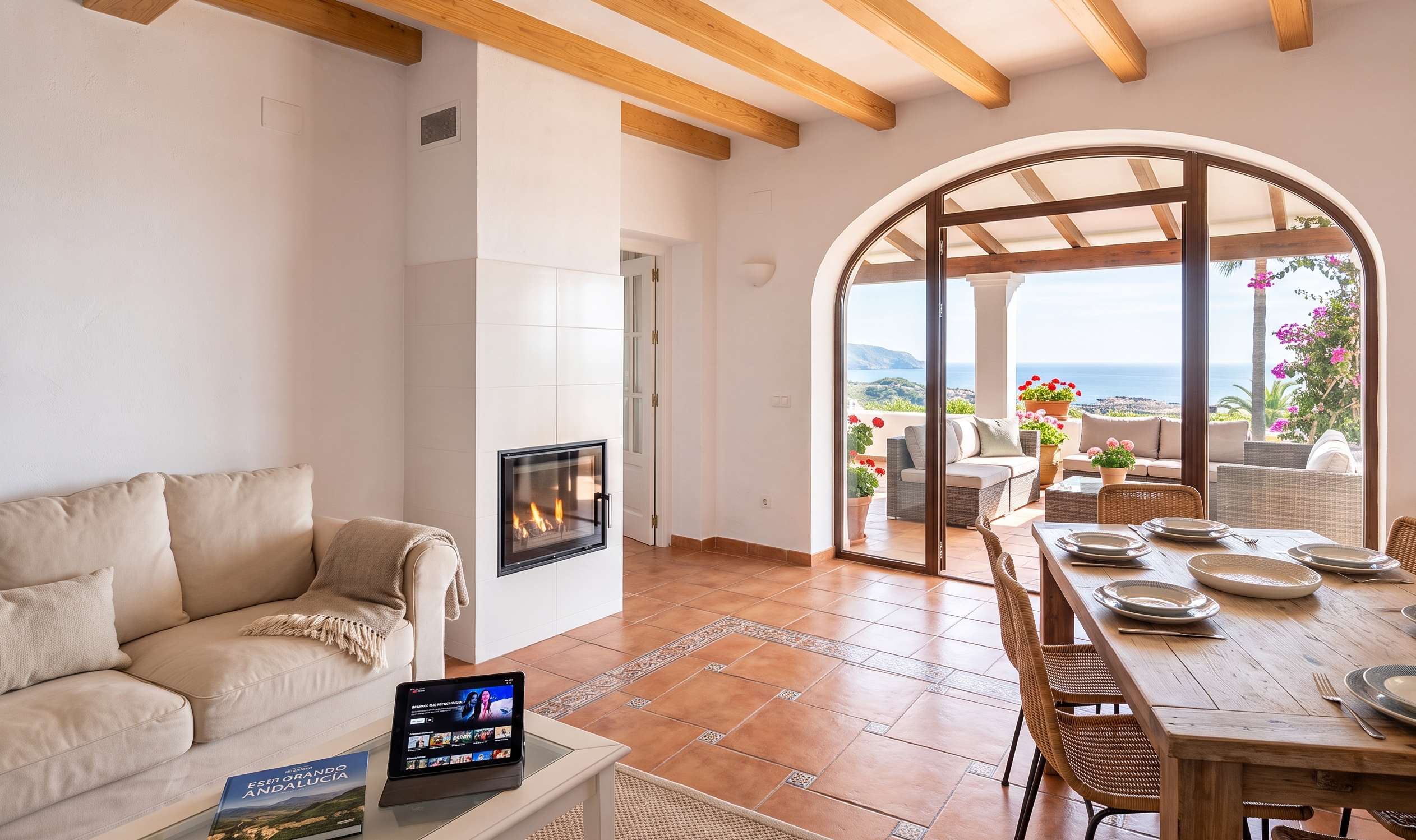
At Koti Rentals, we have made this segment a specialty. We know what this client is looking for — good heating, reliable Wi-Fi, proximity to services, bright spaces — and we manage the relationship in their language, with the transparency and legal compliance required for a long stay.